The Appalachian Mountains span over 2,000 miles across 14 states, making regional airports the most practical entry points for travelers heading to national parks, trail towns, and mountain resort areas. Whether you're landing at McGhee Tyson near Knoxville, Tri-Cities Regional in Kingsport, or Hagerstown Regional in Maryland, staying at an airport hotel eliminates transfer stress and cuts early-morning logistics. This guide covers the 15 best airport hotels across the Appalachian corridor, from budget-friendly motels to full-service branded properties - all selected for their proximity to regional airports and access to key mountain destinations.
What It's Like Staying in the Appalachian Mountains
Staying in the Appalachian Mountains means navigating a region where driving is the dominant mode of transport - public transit is limited or nonexistent in most mountain towns, and distances between attractions routinely exceed 30 kilometers. The region draws hikers, leaf-peepers, heritage travelers, and outdoor sports enthusiasts, with crowd patterns peaking sharply in October during fall foliage season and again in summer around national park access points like Great Smoky Mountains and the Adirondacks. Airport hotels are especially strategic here because rental car pickups, early trailhead departures, and multi-state road trips all benefit from a no-transfer overnight close to the terminal.
Urban density is low across most of the range - towns like Kingsport, Hagerstown, and Saranac Lake function as service hubs rather than destinations in themselves, which means hotel options outside airport corridors are often scattered. Travelers who prefer walkable city neighborhoods with restaurant density may find the pace and infrastructure of Appalachian gateway towns underwhelming. Those focused on outdoor access, however, gain a logistical edge by positioning near airports with direct highway connections to trailheads and park entrances.
Pros:
- Regional airports offer quick boarding with minimal security wait times compared to major hubs, reducing overall travel fatigue
- Airport hotels across the Appalachian corridor typically include free parking, making them cost-effective base camps for car-dependent mountain travel
- Proximity to major outdoor destinations like Great Smoky Mountains National Park, the Appalachian Trail, and Adirondack State Park means early-morning activity starts are genuinely feasible
Cons:
- Most Appalachian airport hotel zones are not walkable to dining or entertainment - a rental car or rideshare is necessary for nearly all off-property activity
- Fall foliage season drives occupancy to near-capacity across the region, limiting last-minute availability at well-positioned properties
- Several gateway cities like Hagerstown and Horseheads are transit deserts, with no meaningful public transport connecting the airport zone to mountain attractions
Why Choose Airport Hotels in the Appalachian Mountains
Airport hotels along the Appalachian corridor are purpose-built for transit efficiency - they almost universally offer free parking, free airport shuttles, and early check-in flexibility, which are features that matter significantly when flights arrive late or depart before dawn. Unlike downtown properties in cities like Asheville or Burlington, airport-zone hotels trade boutique atmosphere for operational reliability: consistent amenities, accessible highway ramps, and predictable pricing. Free airport shuttles are available at around 5 properties in this guide, a meaningful cost offset in areas where rideshare availability is inconsistent at off-peak hours.
Room sizes at Appalachian airport hotels tend to be more generous than their urban counterparts - suite-format rooms with separate living areas, mini-fridges, and microwaves are common, particularly at mid-range chains like SpringHill Suites and Comfort Suites. Trade-offs include limited on-site dining beyond grab-and-go options, and locations that can feel isolated in smaller markets like Montoursville or Horseheads. Travelers connecting to multi-day outdoor itineraries consistently rate airport hotel stays as the most practical first or last night of an Appalachian trip.
Pros:
- Free shuttle services to and from regional terminals eliminate rideshare dependency, particularly useful at smaller airports like Tri-Cities Regional and McGhee Tyson where late-night rideshare availability is unreliable
- Suite-style rooms common in this category provide space to organize gear, pack hiking equipment, and store luggage - practical for multi-day outdoor itineraries
- Included buffet breakfasts at most properties mean travelers can fuel up before long drives to trailheads without searching for open restaurants in low-density gateway towns
Cons:
- Airport hotel zones in smaller Appalachian cities like Hagerstown and Montoursville offer minimal walkable dining - guests depend entirely on hotel breakfast or driving to chain restaurants
- Properties near smaller regional airports may lack the dining, spa, or event facilities found at full-service hotels in mountain resort towns like Asheville or Stowe
- Noise from early-morning flight operations can be a factor at properties within 2 kilometers of active runways, such as those near McGhee Tyson and Hagerstown Regional
Practical Booking & Area Strategy for Appalachian Airport Hotels
The Appalachian Mountain region spans multiple states, so choosing the right airport gateway matters as much as choosing the right hotel. For access to the southern Appalachians and Great Smoky Mountains National Park, McGhee Tyson Airport in Alcoa, Tennessee is the primary entry point, with both Hampton Inn and Comfort Suites located under 2 kilometers from the terminal and direct highway access to Gatlinburg and Cades Cove. For the central Appalachians covering Maryland, Pennsylvania, and West Virginia, Hagerstown Regional Airport serves as the best hub - Motel 6 and Microtel Inn are within 10 kilometers, and the Appalachian Trail Conference Headquarters is reachable within 47 kilometers. In the northern range, Burlington International Airport in Vermont connects to the Green Mountains corridor, while Adirondack Regional Airport in Saranac Lake provides access to the Adirondack High Peaks.
Booking at least 6 weeks ahead is advisable for October stays across the entire Appalachian corridor, when foliage tourism fills airport-adjacent hotels quickly. For ski season in Vermont and the Poconos area near Scranton, January and February weekends book out fastest at properties like SpringHill Suites Scranton and Brass Lantern Inn in Stowe. Travelers planning Appalachian Trail through-hiker support trips or Great Smoky Mountains visits in late spring can often find better mid-week rates at airport hotels compared to in-town lodging, with the added benefit of consistent free parking unavailable at most walkable urban properties.
Best Value Airport Hotels in the Appalachian Mountains
These properties offer reliable airport proximity, essential amenities, and free parking at accessible price points - the right fit for travelers prioritizing logistics over luxury across the Appalachian corridor.
-
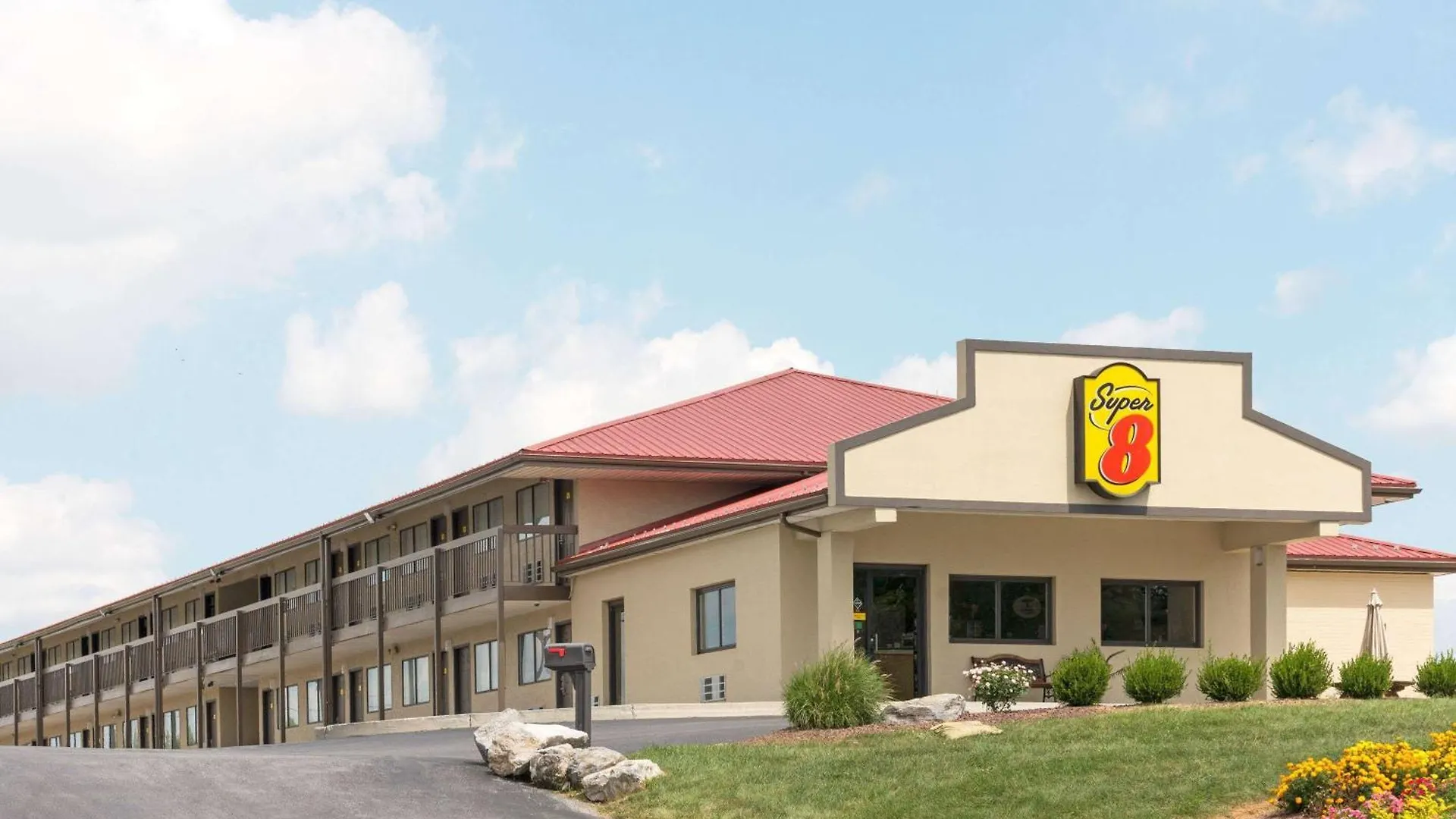
1. Super 8 By Wyndham Greencastle
Show on map


 Check-infrom 15:00 until 23:59Check-outuntil 11:00
Just a few rooms left at the best rate!
fromUS$ 77
-
2. Motel 6 Hagerstown Md
Show on map


 Check-infrom 15:00 until 23:59Check-outuntil 11:00
Best price guarantee
fromUS$ 55
-
3. Microtel Inn & Suites By Wyndham Hagerstown By I-81
Show on map


 Check-infrom 15:00 until 23:59Check-outuntil 11:00
Best price guarantee
fromUS$ 73
-
4. Motel 6-Montoursville, Pa - Williamsport
Show on map


 Check-infrom 15:00 until 23:59Check-outuntil 11:00
Best price guarantee
fromUS$ 71
-
5. Best Western Plus Horseheads - Elmira
Show on map


 Check-infrom 16:00 until 23:59Check-outuntil 11:00
Best price guarantee
fromUS$ 169
-
6. Hotel Coolidge
Show on map


 Check-infrom 16:00 until 23:59Check-outuntil 11:00
Rooms filling fast – secure the best rate!
fromUS$ 89
-
7. Lang House On Main Street Bed & Breakfast
Show on map


 Check-infrom 15:00 until 20:00Check-outuntil 11:00
Just a few rooms left at the best rate!
fromUS$ 279
Best Mid-Range & Premium Airport Hotels in the Appalachian Mountains
These properties combine airport convenience with stronger amenity packages - indoor pools, on-site dining, spa access, and suite-style layouts - suited to travelers who want logistical efficiency without sacrificing comfort across the Appalachian range.
-
8. Hampton Inn Charleston Downtown
Show on map


 Check-infrom 15:00 until 23:59Check-outuntil 12:00
Best price guarantee
fromUS$ 98
-
9. Springhill Suites By Marriott Scranton Montage Mountain
Show on map


 Check-infrom 16:00 until 23:59Check-outuntil 11:00
Rooms filling fast – secure the best rate!
fromUS$ 111
-
10. La Quinta By Wyndham Kingsport Tri Cities Airport
Show on map


 Check-infrom 15:00 until 23:59Check-outuntil 11:00
Rooms filling fast – secure the best rate!
fromUS$ 79
-
11. Comfort Suites Knoxville Airport
Show on map


 Check-infrom 15:00 until 23:59Check-outuntil 11:00
Hurry – almost gone at this price!
fromUS$ 88
-
12. Hampton Inn Knoxville-Airport
Show on map


 Check-infrom 15:00 until 23:59Check-outuntil 11:00
Just a few rooms left at the best rate!
fromUS$ 112
-
13. Voco Saranac Lake Ny - Waterfront By Ihg
Show on map


 Check-infrom 16:00 until 23:59Check-outuntil 11:00
Hurry – almost gone at this price!
fromUS$ 393
-
14. Hilton Asheville Biltmore Park
Show on map


 Check-infrom 16:00 until 23:00Check-outuntil 11:00
Just a few rooms left at the best rate!
fromUS$ 152
-
15. Brass Lantern Inn
Show on map


 Check-infrom 15:00 until 20:00Check-outfrom 08:00 until 10:00
Hurry – almost gone at this price!
fromUS$ 354
Smart Travel & Timing Advice for Appalachian Airport Hotels
The Appalachian Mountain region operates on two distinct peak travel seasons that directly affect airport hotel pricing and availability. October is the single busiest month across the entire corridor - fall foliage draws massive visitor volumes to gateway cities like Asheville, Stowe, and Kingsport, and airport hotels in these markets fill within days of opening availability for peak October weekends. Booking at least 8 weeks in advance for October stays is not cautious - it is necessary, particularly for properties like the Hilton Asheville Biltmore Park and Brass Lantern Inn where room counts are limited. The second peak runs from late December through February in ski-adjacent markets including Stowe (Burlington Airport), Scranton (Wilkes-Barre Airport), and Saranac Lake (Adirondack Regional) - expect weekend rates to climb significantly and shuttle services to run at capacity.
The shoulder seasons of April through May and late September offer the best value windows across the Appalachian airport hotel market, with prices lower, trail access improving post-winter, and waterfalls and wildflowers at peak visibility in the southern Appalachians around Asheville and Knoxville. A single night at an airport hotel is genuinely sufficient as a buffer before or after flights for most Appalachian itineraries - the real time investment is in the days spent in the mountains themselves, not the transit overnight. For travelers using the Hagerstown or Williamsport airport corridors, midweek stays offer measurable savings with no meaningful reduction in access to Appalachian Trail and heritage site destinations nearby.